Hi all,
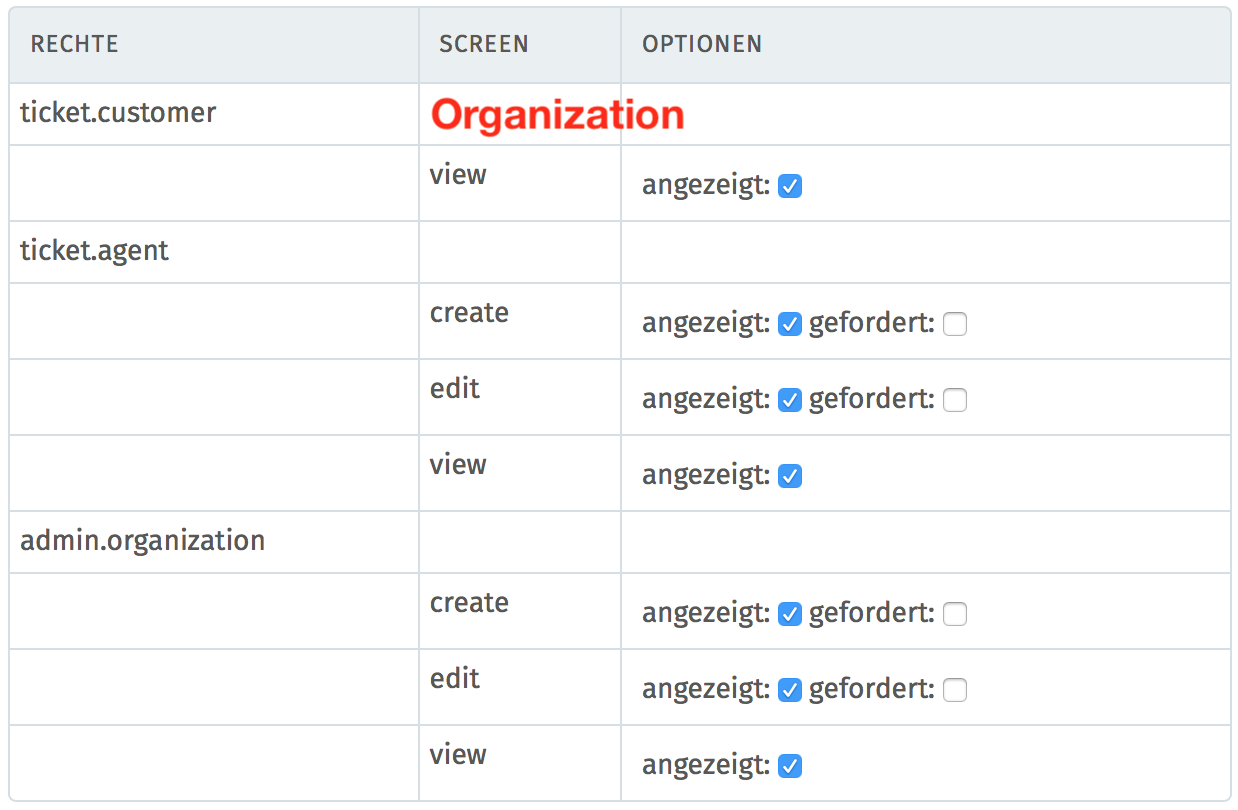
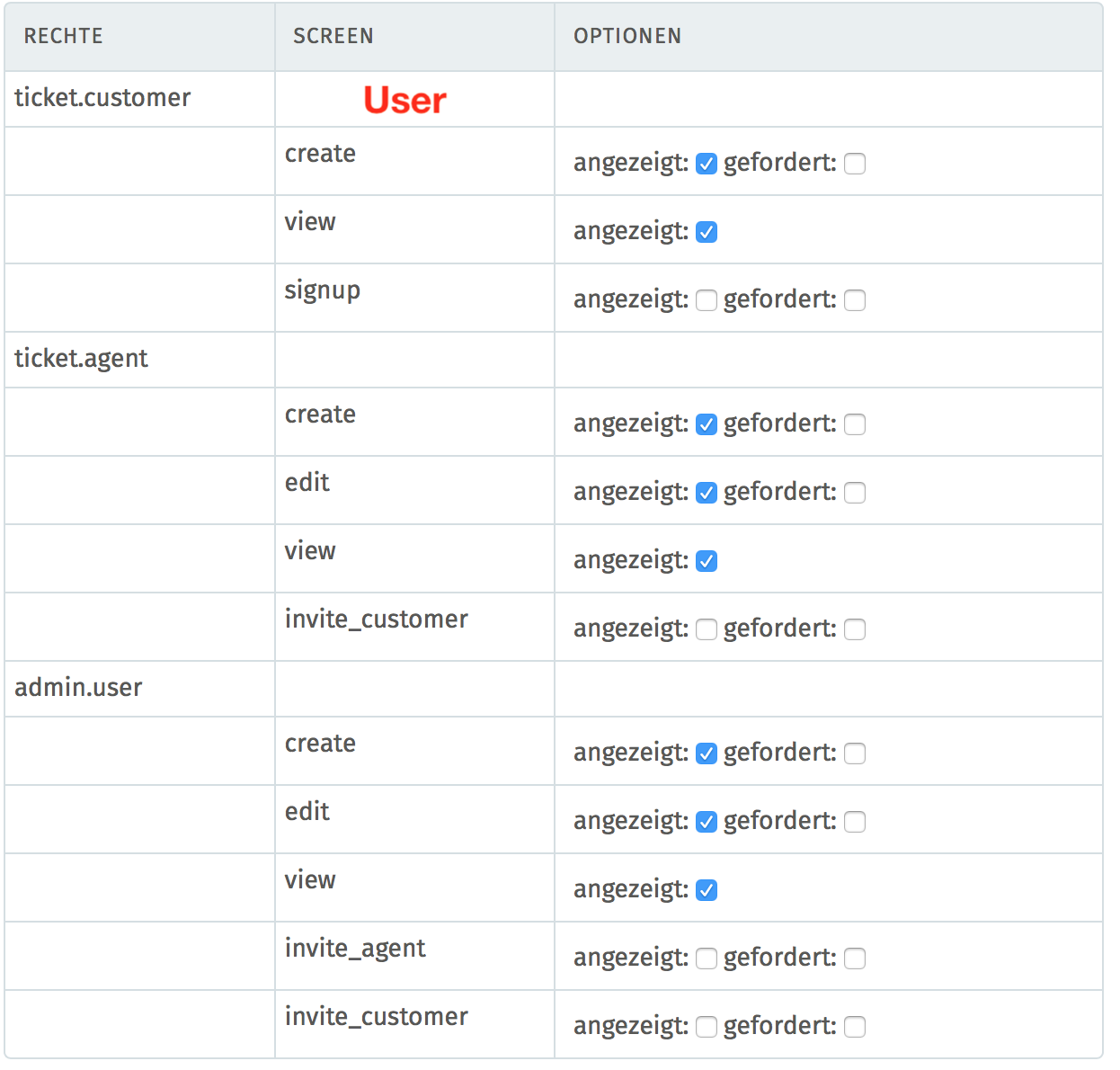
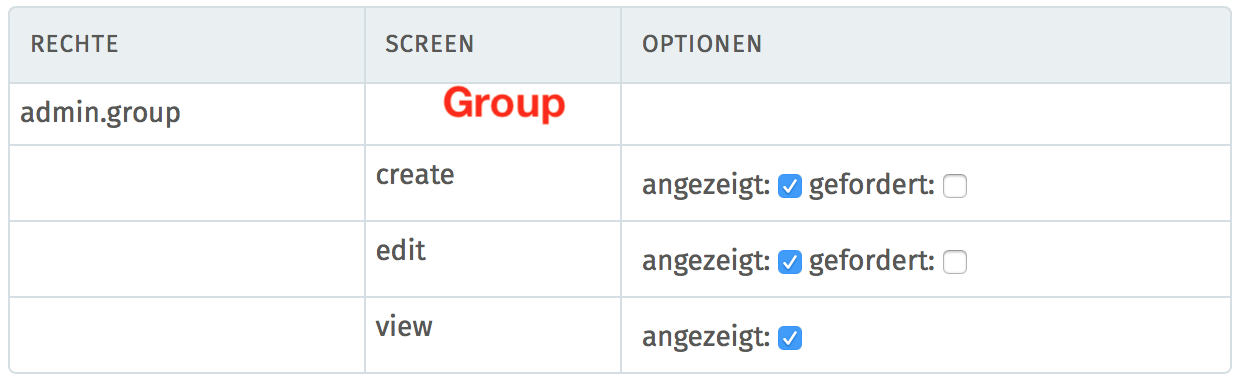
For each object, you can give different user rights to cutsomers and agents. There is a view, create and edit option.
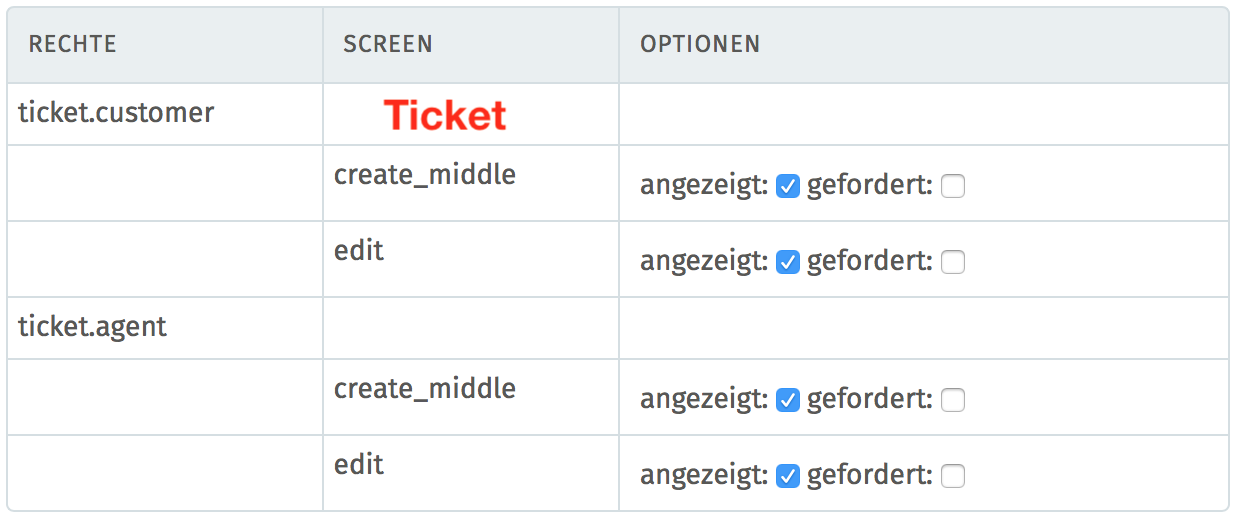
But for ticket objects, the view option is missing. Can this be added somehow?
Many thanks,
Gijs
Hi all,
For each object, you can give different user rights to cutsomers and agents. There is a view, create and edit option.
But for ticket objects, the view option is missing. Can this be added somehow?
Many thanks,
Gijs
Is it useful to create an issue at github for this?
Please don’t create enhancement issues on Github. 
We’ll do that as soon as we add it to our todo list.
Hi,
Is this feature request already on the roadmap?
Thanks,
Gijs
I just updated to Version 3.2. Thanks for all the new features 
There has a lot been done to the object manager. Any change that we get the “viewable” option for tickets sometime?
Thanks a lot and have a great weekend.
Gijs
Sorry, I can’t provide any information on that.
This topic was automatically closed after 416 days. New replies are no longer allowed.
I went through this thread and have an even better update: this is covered today — and then some — via Core Workflows (introduced in Zammad 5.0).
Instead of a static “view” permission on the ticket object, Core Workflows let you define the ticket lifecycle as configurable states and then, for each state and each condition, control:
That means the original ask — “can a customer be viewable on a ticket without edit rights?” — is solvable out of the box today: build a Core Workflow where the customer role sees a subset of fields, or a specific state type is locked into read-only behavior. And on top of that, Core Workflows also cover things the old permission scheme couldn’t express: role-based field behavior per state, per-group field visibility, enforced categorization on close, handover notes, approval workflows, …
Documentation:
So from a user’s perspective I’d consider this request resolved — and then some, since the same mechanism generalizes to a lot of other use-case patterns. Please correct me if your exact need is more specific than what Core Workflows can do today; happy to dig into it.